As renewable generation and flexible loads become more common, power grids need to handle more frequent changes in electricity flow. Solar output can fall when clouds pass, while industrial loads may rise within a short period. Energy storage adds another controllable element to this system. It can absorb electricity during selected periods and release it when the grid needs additional power. This makes storage an important part of modern grid planning, but successful integration depends on more than battery capacity.
What Changes When Storage Connects to the Grid?
Traditional distribution networks were mainly designed around one-way electricity flow. Power moved from generation sources through transformers and distribution equipment toward end users. Energy storage changes this pattern because the same system can draw power from the grid during charging and send power back during discharge.
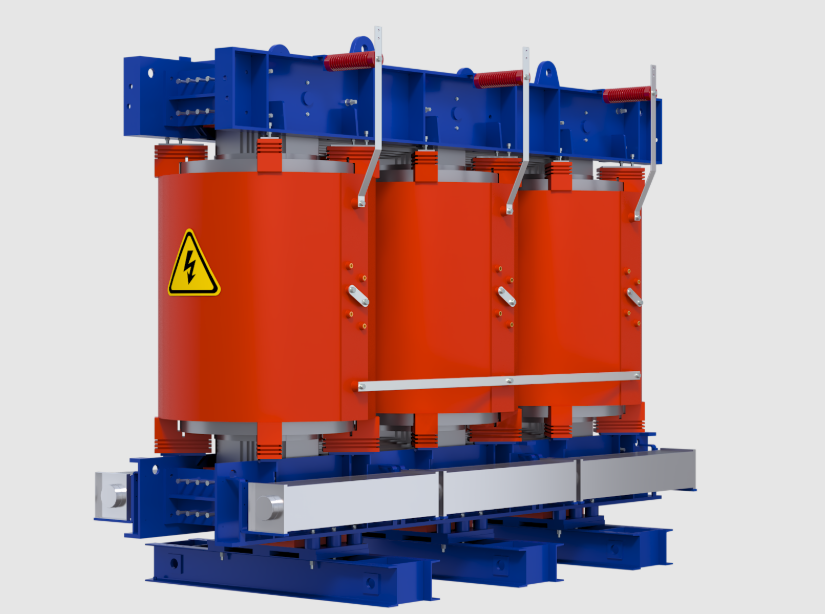
This bidirectional flow affects the design of electrical equipment. Switchgear, transformers, protection devices, and monitoring systems may need to accommodate bidirectional power flow and the associated control and protection requirements. Daqo’s energy storage solution page identifies reverse power flow as one of the practical issues that storage projects need to address.
Charging and discharging can also create fast changes in electrical load. High-power cycles may increase thermal stress on distribution equipment. Engineers therefore need to consider current levels, equipment ratings, cooling conditions, and expected operating cycles rather than selecting equipment only according to the battery’s energy capacity.
Why Power Conversion Matters in Grid Integration
Batteries store energy chemically and exchange electrical power as DC, while conventional grids operate primarily with AC. A power conversion system, or PCS, connects these two electrical domains. It controls the direction and characteristics of power exchanged between the battery and the grid.
Modern PCS equipment can provide functions beyond basic AC/DC conversion. Daqo’s listed PCS supports bidirectional conversion, reactive power compensation, and grid-connected or off-grid switching. Its published specifications also include a maximum DC voltage of 1500 V and IP65 protection for the listed models.
Control speed is another practical factor. During a grid event, the storage system may need to change its output quickly. Communication interfaces also matter because the PCS needs to exchange operating information with battery management systems and higher-level control platforms. Daqo’s PCS specifications list CAN, RS485, Ethernet, Modbus, and other communication protocols.
How Digital Monitoring Improves Coordination
Grid integration does not stop at electrical hardware. Operators also need clear information about equipment status, power flow, alarms, and operating conditions. Digital monitoring can connect information from different devices and make it easier to identify changes during storage operation.
For energy storage projects, this can include monitoring of distribution equipment, protection status, power conversion, and communication conditions. Daqo describes an energy storage architecture that uses embedded platforms, IEC 61850-based communication, and a cloud-pipe-edge-device structure for power monitoring and operation and maintenance.
Such systems are useful when a project contains many electrical devices. Instead of checking each device separately, operators can use a coordinated monitoring structure to review operating data. This is particularly relevant to utility projects, renewable energy sites, industrial facilities, and other applications where storage is connected to a wider electrical network.
What Should Project Engineers Check Before Connection?
Grid integration starts with the electrical conditions at the project site. Engineers should first review the grid voltage, frequency, available capacity, short-circuit level, and connection point. These factors influence the required ratings of transformers, switchgear, cables, and power conversion equipment.
The expected operating pattern should also be defined. One project may use storage mainly for peak shaving, while another may focus on renewable energy smoothing or grid support. Charging and discharging frequency can affect thermal conditions and equipment selection.
Environmental conditions deserve attention as well. Temperature, humidity, altitude, dust, and installation space can influence equipment performance. For example, Daqo’s TLEN-C high-voltage cascaded energy storage system lists an operating temperature range of -30°C to +50°C, with derating above 45°C, and a standard maximum operating altitude of 3000 m.
How Suppliers Support Energy Storage Integration
Selecting equipment from different suppliers can create coordination work between batteries, PCS units, transformers, switchgear, monitoring systems, and protection devices. This is one reason project developers often examine whether a supplier can provide more than one part of the electrical package.
Daqo Group covers energy storage alongside electrical equipment, power electronics, components, and system platforms. Its energy storage portfolio includes PCS equipment and the TLEN-C high-voltage cascaded energy storage system.
For project teams, the practical value of an integrated supplier is related to interface coordination. Electrical ratings, communication protocols, protection settings, installation requirements, and monitoring functions need to work together. A coordinated package can reduce the number of technical interfaces that engineers must review during project implementation.
Building a More Practical Grid Connection Plan
Smart grid integration is ultimately an engineering coordination task. Battery capacity is only one part of the design. Power conversion, bidirectional current, protection, thermal conditions, communication, monitoring, and site conditions all influence how an energy storage system interacts with the grid.
Energy storage solutions companies can therefore be evaluated by more than their battery or converter specifications. Project teams should examine the complete electrical architecture and check how each component fits the intended operating mode. Daqo Group provides energy storage and related digital power distribution solutions that address these equipment and monitoring considerations.
A well-planned storage connection should make power flow easier to control, operating data easier to review, and future system expansion easier to consider. For utilities, renewable projects, data centers, and industrial users, this approach provides a clearer basis for integrating storage into a changing power network.