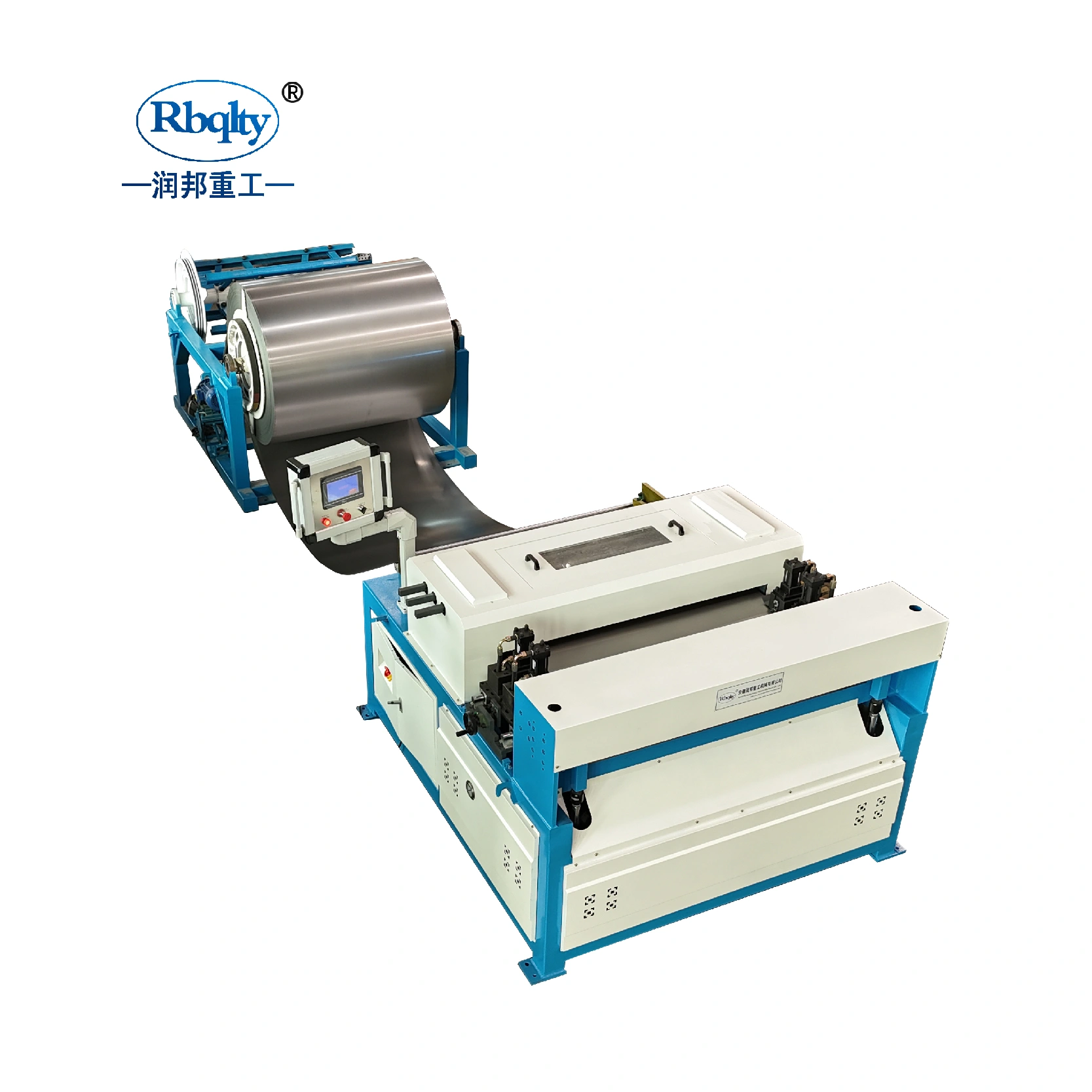
Choosing the right equipment is essential for HVAC duct manufacturers seeking consistent quality, efficient production, and controlled operating costs. As commercial and industrial construction projects require reliable ventilation systems, fabrication businesses must invest in machinery suited to their materials, production volumes, and product specifications.
Purchasing sheet metal processing equipment involves more than comparing prices. Processing capacity, accuracy, automation, maintenance, and supplier support all influence long-term performance. Understanding these factors helps manufacturers make informed decisions and improve production efficiency.
- Assess Production Capacity and Requirements
Before selecting machinery, manufacturers should identify the types of components they produce, including rectangular ducts, fittings, and flange components. Production volume, material dimensions, and order variety determine whether standalone machines or an integrated production line is more appropriate.
Buyers should verify maximum sheet width, processing thickness, component dimensions, and expected output. High-volume manufacturers may benefit from automated production lines, while smaller workshops handling varied orders may prefer flexible individual machines.
Selecting equipment based on actual production requirements helps avoid unnecessary investment and capacity limitations.
- Check Material Compatibility and Processing Accuracy
HVAC ductwork commonly uses galvanized steel, stainless steel, and aluminum. Because these materials have different processing characteristics, equipment must accommodate the materials and thicknesses specified for the intended applications.
Important parameters include cutting capacity, bending force, working width, positioning accuracy, and repeatability. Buyers should consult model-specific technical documentation rather than relying solely on general product descriptions.
Accuracy also affects assembly quality. Inconsistent cutting or bending can cause fitting problems, material waste, and additional labor. Requesting test pieces or demonstrations can help buyers assess whether a machine meets their production standards.
Manufacturers should also consider applicable industry requirements. The Sheet Metal and Air Conditioning Contractors’ National Association (SMACNA) publishes technical standards for HVAC duct construction. Equipment and fabrication processes should support the relevant project specifications.
- Evaluate Automation Options
Automation can reduce repetitive manual work, improve consistency, and shorten production cycles. However, the appropriate level depends on order volumes, labor availability, and product complexity.
When evaluating HVAC sheet metal fabrication equipment, buyers should determine which operations the system integrates, such as feeding, leveling, cutting, punching, and forming.
An integrated line can reduce material handling between processes, while standalone machines may provide greater flexibility for customized orders. Manufacturers should also evaluate CNC controls, programming requirements, setup time, and operator training.
Automation delivers the greatest value when it addresses specific production bottlenecks. Buyers should compare expected productivity improvements against equipment costs and integration requirements.
- Consider Workflow and Future Expansion
Equipment must fit the wider manufacturing process. Before purchasing, manufacturers should assess workshop space, material movement, electrical requirements, loading arrangements, and compatibility with existing machinery.
Poor workflow integration can create bottlenecks even when individual machines perform well. Buyers should consider how materials move from storage through cutting, forming, assembly, and finished-product handling.
Future demand is another consideration. Configurable machinery may help manufacturers accommodate additional product sizes or increased output. Nevertheless, expansion plans should reflect realistic forecasts and verified machine capabilities.
- Calculate Total Cost of Ownership
The purchase price represents only part of the investment. Tooling, energy consumption, maintenance, spare parts, installation, and downtime also affect long-term costs.
Before comparing quotations, buyers should clarify:
- Which tooling and accessories are included?
- What maintenance and replacement parts are required?
- How readily are spare parts available?
- Does the supplier provide installation, commissioning, and training?
- What warranty coverage and technical support are offered?
A lower initial price may not deliver better value if the equipment requires frequent repairs or costly modifications. Comparing expected operating costs over the machine’s service life provides a more practical basis for purchasing decisions.
- Evaluate Supplier Expertise and Customization
Supplier experience matters when projects involve specialized configurations, production-line integration, or customized manufacturing requirements.
RBQLTY, operated by Anhui Runbang Heavy Industry Machinery Co., Ltd., provides sheet metal processing equipment for industrial customers. Its product portfolio includes HVAC duct-making machines, press brakes, shearing machines, punching machines, and other metal fabrication solutions.
The company also offers OEM and ODM manufacturing and supports customized production requirements. Buyers considering RBQLTY can review its equipment range and discuss their material specifications, production targets, and workshop requirements.
Before ordering, manufacturers should request detailed technical documentation and confirm the selected model’s processing limits. Installation arrangements, training, spare-parts availability, and after-sales support should also be clarified.
- Prioritize Safety and Maintenance
Safe operation and reliable maintenance are essential for long-term equipment performance. Buyers should review machine guarding, emergency-stop functions, operating procedures, and applicable safety requirements before commissioning.
Operators need appropriate training in machine setup, tooling changes, controls, and routine inspections. Clear maintenance documentation helps technicians identify wear, perform scheduled servicing, and resolve common operating issues.
For international buyers, communication quality, spare-parts logistics, and remote technical assistance are also important factors when evaluating suppliers.
Conclusion
Selecting HVAC fabrication machinery requires careful consideration of production capacity, material compatibility, accuracy, automation, workflow, operating costs, and supplier support.
By comparing verified specifications with actual manufacturing needs, B2B buyers can reduce unnecessary expenditure, improve production consistency, and prepare for future demand. Reviewing equipment options from suppliers such as RBQLTY can help manufacturers identify suitable solutions for their HVAC fabrication operations.