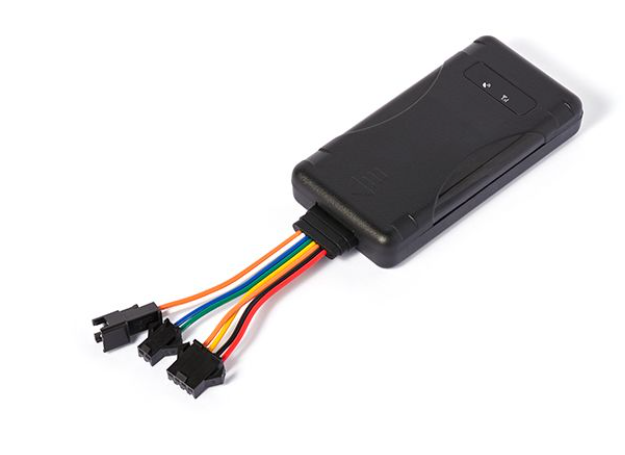
Fleet management is not only about seeing a vehicle on a map. Operators also need reliable location data, vehicle status, alarm records, and a clear way to review events during daily work. A practical GPS fleet management system combines onboard hardware with software so managers can monitor movement, ignition activity, and abnormal events from one interface.
For logistics companies, mining fleets, public transport operators, and other commercial fleets, this structure can improve daily visibility. Selecting suitable GPS trackers for vehicle fleet management therefore requires attention to both the device inside the vehicle and the platform that receives its data.
Why Vehicle Hardware Matters
The tracking device is the starting point of the system. It collects positioning information and sends data through a mobile network to the management platform. If the hardware does not match the fleet’s operating conditions, managers may receive incomplete or delayed information.
Commercial vehicles work in different environments. Logistics trucks may travel across cities and provinces. Mining or oil and gas vehicles may operate in remote areas. School buses and public transport vehicles often need stable route monitoring and clear activity records.
For this reason, hardware selection should consider communication capability, power management, ignition detection, alarm functions, installation conditions, and platform compatibility. A fleet GPS system becomes more practical when these functions match the real operating needs of the fleet.
Hardware consistency also matters when the fleet expands. Using similar installation methods across different vehicles can simplify deployment, maintenance, troubleshooting, and future replacement.
How Real-Time Data Supports Fleet Work
Real-time tracking helps managers understand where vehicles are during working hours. This information can support dispatching, route supervision, service coordination, and exception handling. It can also reduce repeated phone calls to drivers for location updates.
Vehicle status adds useful context. Ignition detection can show whether a vehicle is parked or operating. Alarm notifications can point to events that need attention. These functions make GPS trackers for vehicle fleet management useful for more than basic positioning.
Historical records are also valuable. Route history and event data can support internal reporting, operational review, and discussions with drivers or customers. Repeated delays, long stops, or unusual movement patterns may become easier to identify.
Different industries use the same data in different ways. Cold-chain operators may focus on schedule control and vehicle movement. Construction fleets may need visibility across several job sites. Mining fleets may use location records to coordinate vehicles inside defined operating areas.
Matching Hardware to System Needs
Before choosing a device, fleet operators should first define what data is actually needed. Some fleets only need location and ignition status. Others may require more alarm functions, security monitoring, or integration with existing software.
The C02G is one example of hardware designed for these practical tasks. It is a versatile 4G GPS tracker for real-time vehicle tracking and security monitoring. It supports multiple alarm notifications, low-power sleep mode, and ignition detection. These functions make it suitable for fleet management, asset tracking, and vehicle security applications.
When evaluating a fleet GPS system, buyers should also check network support, installation methods, device configuration, platform integration, and technical service. Device specifications alone do not show how smoothly a solution can be deployed across a commercial fleet.
Distributors and system integrators may have additional concerns. They often need hardware that can work with software already used by their customers. Compatibility with third-party platforms can reduce integration work and avoid unnecessary system replacement.
Integration for B2B Fleet Projects
Fleet tracking projects often involve several parties. Fleet owners may use the system every day, while distributors, integrators, and solution providers may handle installation, configuration, software connection, and after-sales support.
BSJ Technology operates as an AI video telematics and Fleet IoT equipment manufacturer. Their business includes GPS tracking hardware, AI video telematics devices, and related fleet management equipment. They also support OEM and ODM cooperation for B2B customers with different project requirements.
Open ecosystem support is important in this type of project. Compatibility with platforms such as Wialon and GpsGate can help hardware enter existing software environments. This is useful when GPS trackers for vehicle fleet management need to be added without changing the customer’s full fleet platform.
Their development resources also support customized work. BSJ Technology has more than 400 R&D personnel, together with hardware engineering and global technical support teams. For distributors and integrators, these resources can be useful when firmware, branding, interfaces, or device functions need adjustment for different markets.
Planning a Practical Deployment
A successful rollout should begin with operating requirements rather than a long feature list. Fleet managers should review vehicle types, working areas, network conditions, alarm needs, installation methods, software platforms, and future expansion plans.
A pilot installation can reduce uncertainty. Testing a smaller number of vehicles allows teams to check positioning, data transmission, alarms, ignition detection, platform display, and installation procedures before a wider rollout.
Maintenance planning should also be considered early. Device location, wiring methods, power use, and troubleshooting procedures can influence service work later. Clear installation records make it easier for technicians to support larger fleets.
A fleet GPS system delivers more practical value when hardware, software, installation, and fleet procedures are planned together. For B2B operators, the goal is not simply to collect coordinates. It is to build a clear flow of vehicle information that supports dispatching, supervision, security monitoring, integration, and long-term fleet management.