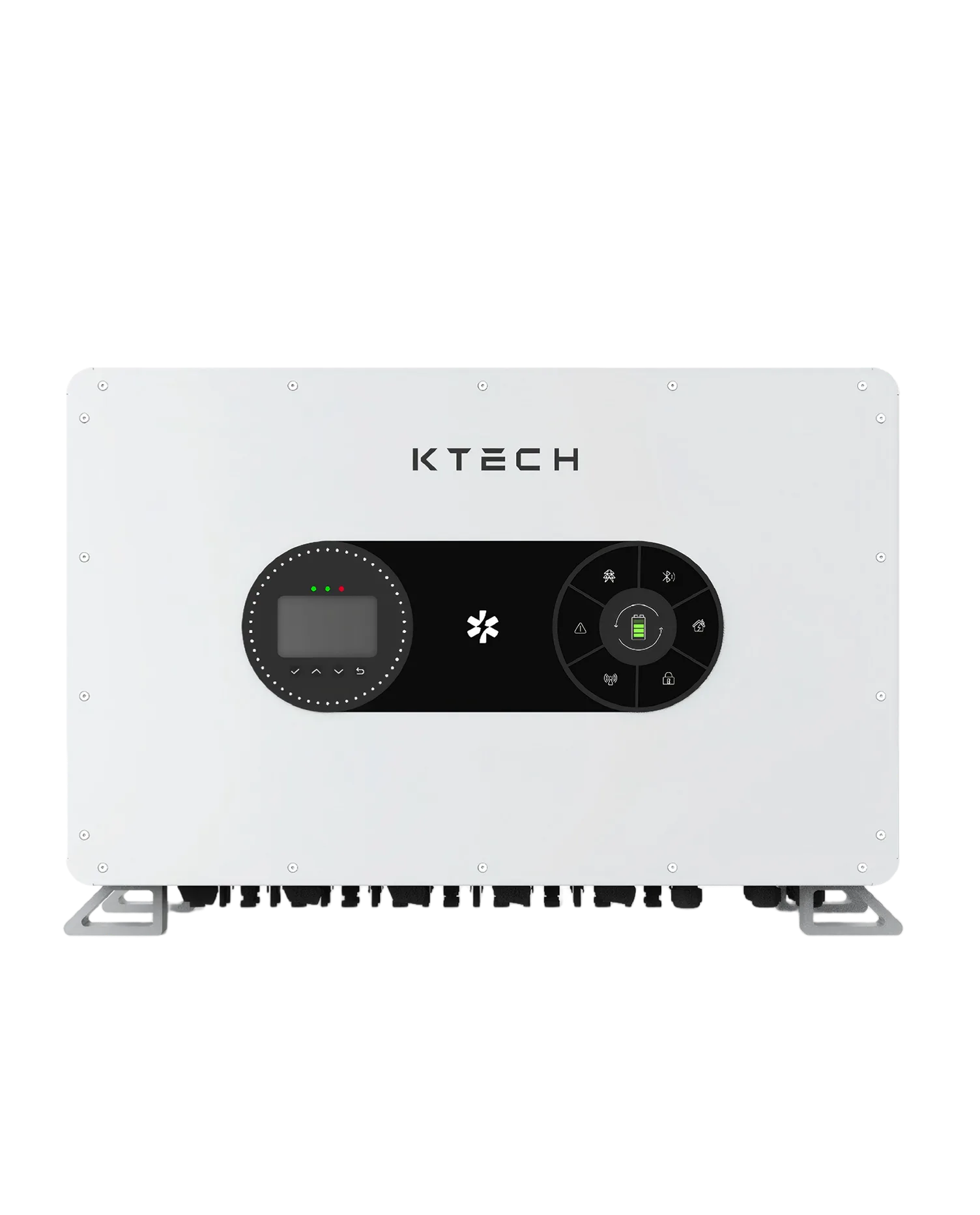
An inverter specification sheet can contain dozens of electrical values, abbreviations, and operating limits. Reading every line without knowing what matters can make product comparison difficult. For distributors, EPC teams, and installers, eight specifications deserve particular attention. They explain how a solar inverter handles power, connects with the PV array and grid, operates under different conditions, and fits the intended project.
For buyers comparing products across different markets, technical specifications are also connected with customization and local requirements. Ktech develops inverter products through its own R&D system and provides customized product support for overseas distributors, agents, and installers.
They also focus on product stability and provide training and after-sales service for their partners. Project teams can contact them to discuss grid conditions, technical requirements, and suitable inverter configurations for specific applications.
- Rated Output Power Defines the Application Scale
Rated output power is one of the first figures to check. It indicates the inverter’s specified AC output under defined operating conditions. A residential inverter and a unit intended for a large grid-connected project can have very different rated outputs.
Buyers should compare this figure with the planned PV capacity, site loads, electrical infrastructure, and grid connection conditions. A larger rated output does not automatically mean a better project match. The value needs to make sense within the complete system design.
For example, a 125kW three-phase grid-tied inverter belongs to a different project category from a small residential unit. Its selection requires consideration of three-phase electrical infrastructure and the capacity planned for the installation.
- Maximum Efficiency Shows Conversion Performance
Solar panels generate DC electricity, while grid-connected electrical systems use AC electricity. Some energy is lost during the conversion process. Maximum efficiency describes the highest conversion efficiency an inverter can reach under specified operating conditions.
This figure is useful for product comparison, but it should not be read alone. Actual operating efficiency can change with input power, voltage, temperature, and other conditions. Project teams should understand what the figure represents instead of assuming that an inverter operates at its maximum efficiency throughout the day.
The Grid-Tied Inverter 125kW Three Phase American Grid has a maximum efficiency of up to 98.8%. Its high conversion efficiency reduces energy consumption and cuts operational costs. This specification provides a useful reference when evaluating the conversion characteristics of the model.
- DC Input Voltage Determines Array Compatibility
The DC input section shows the voltage conditions that an inverter can accept from the PV array. This matters because the voltage generated by a solar string changes according to module quantity, module characteristics, and environmental temperature.
Designers need to calculate the expected string voltage and compare it with the permitted input values on the specification sheet. This check helps determine whether the proposed module arrangement is electrically compatible with the selected inverter.
Maximum DC input voltage and the operating voltage range describe different limits. Buyers should distinguish between them instead of treating both figures as the same specification during system design.
- MPPT Data Affects String Configuration
Maximum Power Point Tracking, usually shown as MPPT, allows an inverter to work with PV input as solar conditions change. A specification sheet may provide the number of MPPT trackers, the MPPT voltage range, and permitted input current.
These figures become particularly relevant when arrays have different orientations or operating conditions. Engineers can review the MPPT arrangement when deciding how PV strings should be grouped and connected to the inverter.
Input current also deserves attention. PV modules can have different current characteristics. The electrical data of the planned modules and strings should therefore be compared with the inverter’s stated input limits before the array configuration is finalized.
- AC Output Data Must Match the Grid
The AC section usually includes rated voltage, frequency, output current, and phase configuration. These values describe how converted electricity is delivered from the inverter to the connected electrical system.
A solar inverter intended for a three-phase installation needs to match the electrical characteristics of the grid at the project site. Grid conditions and connection requirements can vary between countries and regions, so buyers should not assume that one configuration applies across different markets.
For distributors and EPC teams working internationally, checking this section early can prevent a mismatch between the selected inverter and the intended market. Local grid requirements should therefore be reviewed before the final product configuration is confirmed.
- Protection Features Address Electrical Risks
Power and efficiency figures often receive much of the attention on a specification sheet, but protection functions are also important. Electrical faults can occur within a PV installation, making protection design relevant to equipment evaluation and overall system planning.
The referenced 125kW three-phase model includes built-in AFCI. This function is designed to reduce fire hazards associated with arc faults. Buyers can review this feature together with other protection requirements specified for the planned installation.
Equipment functions are only one part of electrical safety. Cable selection, connectors, grounding, system layout, installation practices, and commissioning procedures also need attention when a photovoltaic system is designed and installed.
- IP Rating Describes Environmental Protection
The IP rating describes the enclosure’s stated level of protection against solid objects and water ingress. It is particularly relevant when an inverter may be exposed to dust, rain, or other environmental conditions at the installation site.
The Grid-Tied Inverter 125kW Three Phase American Grid has an IP66 ingress protection rating and is suitable for various climatic environments. This gives project teams another specification to consider when evaluating installation conditions.
An IP rating should still be read together with the manufacturer’s installation requirements. Equipment location, ventilation, access for maintenance, and local environmental conditions remain important when planning the installation.
- Monitoring Functions Matter After Commissioning
Monitoring capabilities become useful once the PV system enters operation. Instead of looking only at total system output, technical teams may need more detailed operating information when checking individual parts of the array.
The referenced inverter supports string monitoring. This function can provide more detailed information for observing system operation. The model also supports a night power supply function, adding another operational feature for project teams to consider when comparing inverter specifications.
These functions should be assessed according to actual operating requirements. A project with multiple strings or specific monitoring needs may place different importance on them than a simpler installation.
Turning Eight Specifications Into a Practical Decision
A useful spec-sheet review goes beyond finding the largest power figure. Rated output, maximum efficiency, DC voltage, MPPT data, AC characteristics, protection functions, IP rating, and monitoring capabilities answer different questions. Reading them together helps buyers judge whether an inverter fits the PV array, electrical connection, operating environment, and project requirements.
For distributors, EPCs, and installers dealing with different regional requirements, Ktech combines inverter R&D with customization capabilities, attention to product stability, training, and after-sales service. They can discuss project specifications and local requirements with partners before a configuration is selected. Interested project teams can contact them with their electrical and application requirements to evaluate an appropriate inverter configuration.