Seasonal assortments give retailers and distributors opportunities to refresh their confectionery ranges throughout the year. Novelty candy, with playful shapes, distinctive packaging, and strong visual appeal, can support themed promotions while complementing everyday products. For buyers, the key is selecting products that fit the retail calendar, appeal to local shoppers, and remain practical to source, display, and replenish.
Novelty Candy Adds Variety to Seasonal Displays
Seasonal merchandising works best when products connect naturally with a specific occasion. Hearts can support Valentine’s Day promotions, spooky designs may suit Halloween displays, and colorful novelty gummies can add variety to party assortments or holiday gift selections. These products offer retailers an alternative to conventional sweets without requiring an entirely different product category.
A carefully selected wholesale candy supplier can help buyers explore formats suited to different merchandising objectives. The goal is not to fill every display with limited-edition products, but to introduce distinctive items that complement established sellers. A small group of novelty products can create a seasonal focal point while allowing familiar candies to remain the foundation of the assortment.
Buyers should also consider timing. Products need to arrive early enough for merchandising, promotion planning, and distribution to individual stores. Working backward from the planned launch date helps purchasing teams establish realistic order and delivery deadlines.
Choose Shapes That Encourage Product Discovery
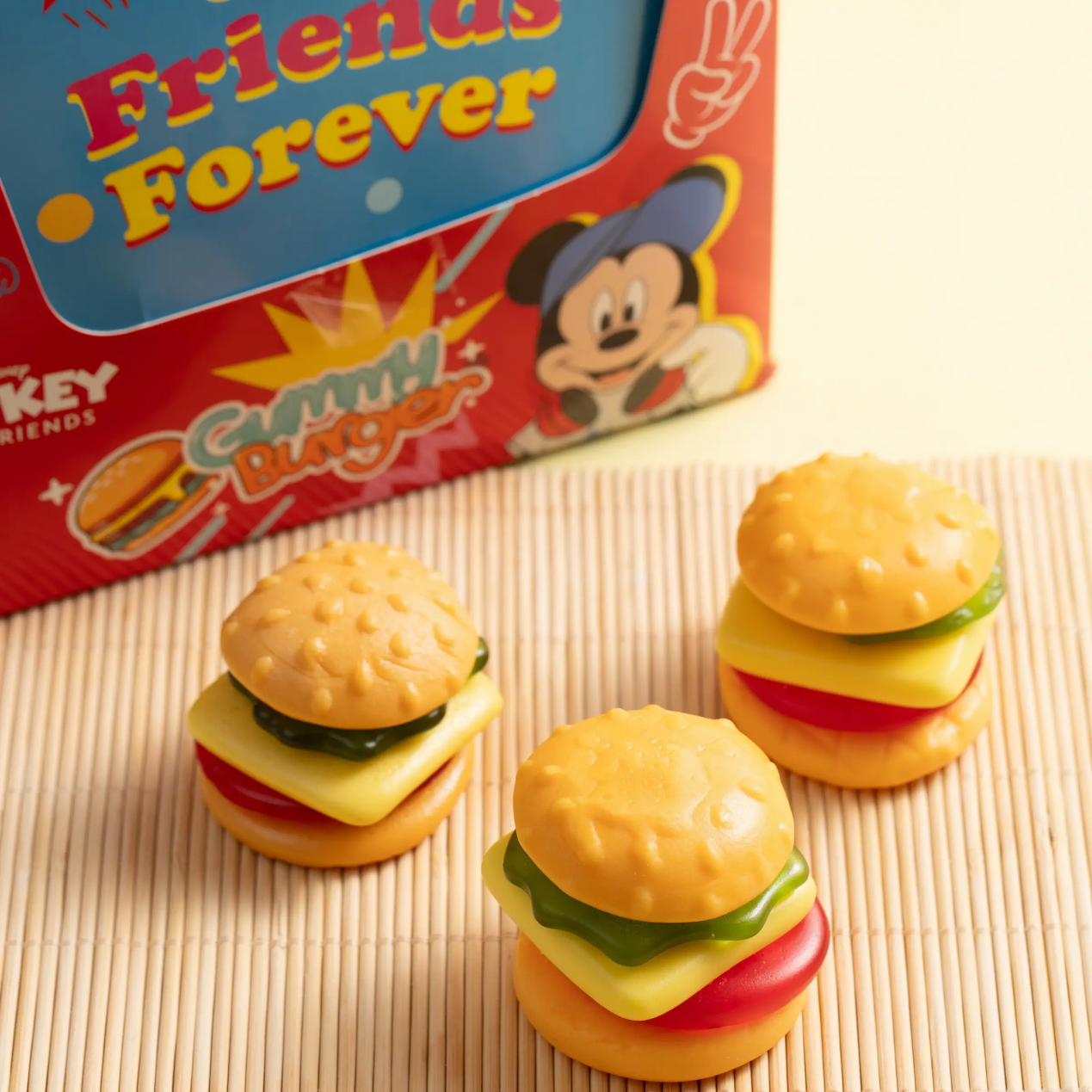
Unusual shapes can make confectionery more noticeable in crowded retail environments. Burger-shaped gummies, miniature hot dogs, pizza-inspired sweets, and other playful designs give shoppers something visually different from standard fruit shapes. These formats may work particularly well in novelty candy sections, gift shops, convenience stores, and stores serving families.
When evaluating hamburger candy for seasonal promotions, buyers should assess more than appearance. Consider piece size, flavor options, packaging format, target retail price, and the intended customer group. A compact box may suit an impulse-purchase display, while a larger assortment could be more appropriate for sharing or party occasions.
Distinctive shapes also need to remain recognizable in the finished product. Buyers should request samples and check the consistency of shape, color, texture, and presentation before committing to a bulk order. The product should deliver the expected visual effect without creating unnecessary complications during manufacturing or transport.
Match Packaging to the Occasion and Channel
Packaging helps connect novelty products to a particular shopping occasion. Seasonal colors, themed illustrations, clear product windows, and gift-oriented containers can make an assortment easier to merchandise. However, the most elaborate package is not automatically the most commercially effective.
Retailers should select formats based on their shelf space, target price, and sales channel. Small, boxed gummies may be practical for checkout displays, whereas bags or larger packs can suit family purchases and party supplies. Distributors serving several retail formats may benefit from a combination of pack sizes rather than one universal option.
HAPI’s hamburger candy category provides examples of novelty-shaped gummy products that buyers can consider when planning seasonal displays. Before finalizing an assortment, confirm current product availability, packaging formats, specifications, and order requirements with the supplier. These examples illustrate how one product concept can be adapted to different merchandising needs. Buyers should confirm current availability, specifications, and order requirements before finalizing a seasonal plan.
Packaging also affects logistics. Dimensions, carton quantities, stacking efficiency, and protection during transport influence storage and freight costs. Retail-ready presentation should therefore be reviewed alongside the finished product, not treated as a separate decision at the end of development.
Plan Inventory Around Seasonal Demand
Seasonal products can generate concentrated demand, but their selling windows may be short. Ordering too late can reduce the time available for sales, while excessive purchasing may leave retailers with stock that becomes difficult to move after the occasion has passed.
Buyers should use historical sales, retailer forecasts, promotional commitments, and expected delivery dates to estimate order quantities. New products require a more cautious approach because historical performance may be unavailable. A smaller initial allocation, where minimum order quantities permit, can help assess demand before a wider rollout.
A reliable wholesale candy supplier should be able to clarify minimum order quantities, sample lead times, production schedules, and replenishment options. For customized products, buyers should allow additional time for mold development, artwork approval, and packaging preparation where required. These stages can influence the final launch date even when manufacturing itself is straightforward.
It is also worth separating seasonal inventory from regular stock forecasts. Doing so makes it easier to monitor sell-through and determine which products deserve another seasonal order.
Evaluate Suppliers Beyond the Quotation
Unit price matters, but it does not tell the full story of a seasonal sourcing decision. Buyers should compare packaging inclusions, product specifications, quality controls, payment terms, shipping arrangements, and the handling of defective goods. Quotes should be based on equivalent specifications so that apparent savings do not conceal additional costs.
Quality expectations need to be documented before mass production. Buyers can agree on acceptance criteria for piece weight, appearance, flavor, packaging integrity, and labeling. For products entering different markets, ingredient declarations, allergen information, language requirements, and applicable food regulations should be checked early.
When assessing HAPI or other manufacturers, distributors should also clarify how approved samples and specifications will be maintained across repeat orders. Consistency is particularly important when seasonal products are returned annually and retailers expect the next batch to resemble the previous one.
Use Seasonal Results to Improve Future Orders
A seasonal campaign provides useful information for the next buying cycle. Review sales by product, store format, pack size, and promotional period. Track sell-through, remaining inventory, margin, and retailer feedback to understand which designs attracted attention and which created operational difficulties.
Novelty candy should earn its place through measurable commercial value, not appearance alone. Products that sell steadily or fit multiple occasions may justify broader distribution, while highly specific seasonal designs may be better managed through targeted orders.
For wholesale buyers, a balanced assortment combines recognizable products with carefully chosen novelties. Planning around timing, packaging, supplier capability, and demand helps seasonal candy add variety without making procurement or inventory management unnecessarily complex.