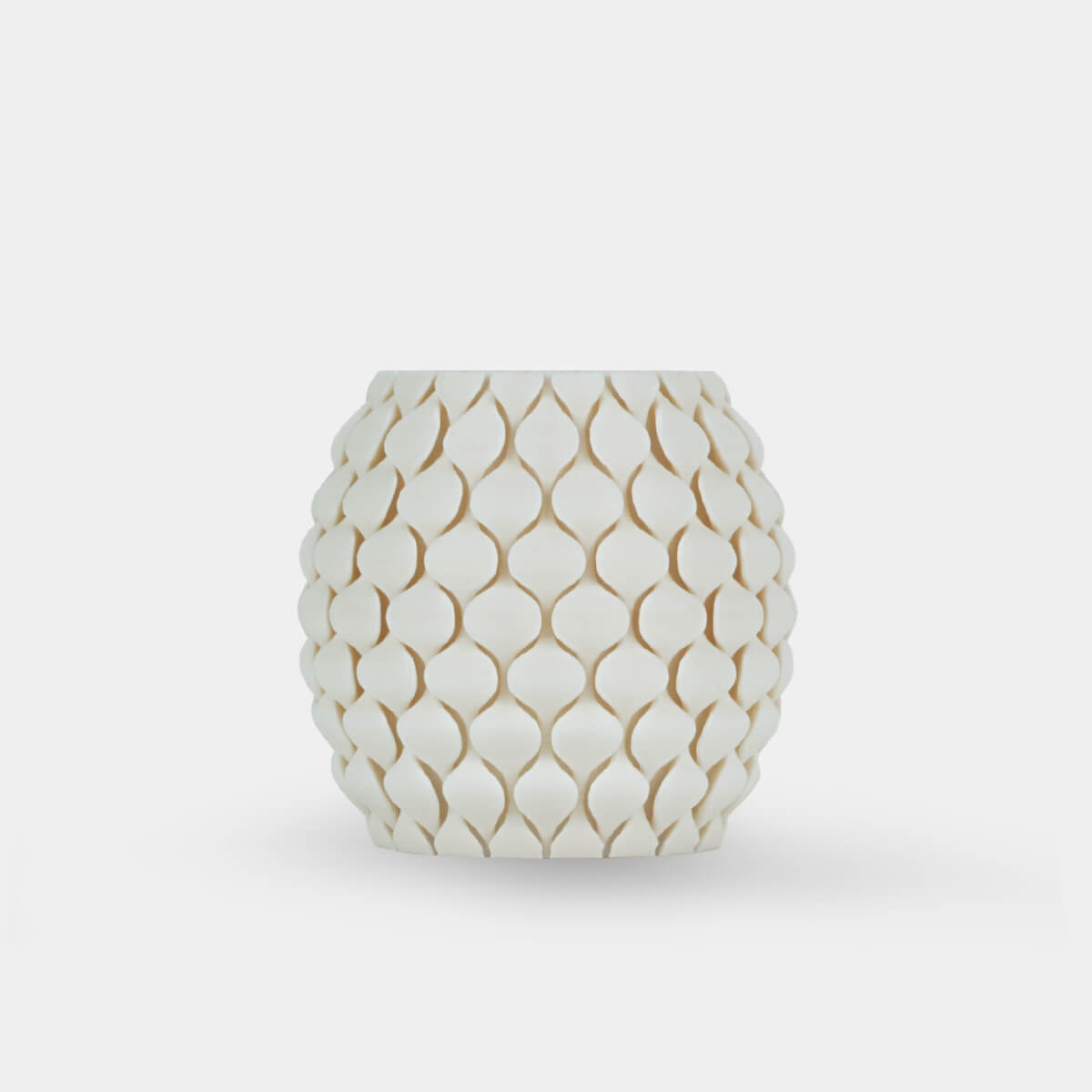
Selecting the ideal polymeric medium directly dictates whether an outdoor fabrication will withstand harsh environmental exposure over time. Solar radiation, fluctuating humidity, and temperature swings quickly degrade standard plastics, causing sudden brittle structural failures. Evaluating specific engineering filaments allows designers to identify materials engineered with high ultraviolet and thermal resistance.
Thermoplastics exhibit diverse degradation patterns when left unprotected under direct sunlight for extended periods. A polymer that thrives inside a climate-controlled workshop might warp, discolor, or crack within months outdoors. Analyzing the underlying material science helps operators choose the right option for functional, weather-exposed installations.
Exploring the Toughness of Acrylonitrile Butadiene Styrene
Acrylonitrile Butadiene Styrene is a classic petroleum-based structural polymer widely appreciated for its high impact resistance. The inclusion of butadiene rubber particles allows the material to absorb heavy physical shocks without shattering apart. This structural resilience makes it a popular choice for mechanical housings, internal enclosures, and durable assemblies.
However, this robust polymer exhibits a high thermal expansion coefficient, causing significant contraction as it cools. Without a fully enclosed printing chamber to regulate ambient temperatures, the edges of a model can lift drastically. Managing this thermal stress is crucial for achieving dimensional accuracy during demanding structural print runs.
Analyzing the Superior Weathering Resistance of ASA
Acrylic Styrene Acrylonitrile is explicitly engineered to deliver outstanding long-term durability in punishing outdoor environments. The integration of an acrylic ester elastomer phase replaces the vulnerable butadiene components found in standard formulations. This specific chemical adjustment makes the polymer highly immune to ultraviolet radiation and environmental weathering.
Objects printed with this robust material maintain their original color and mechanical properties even after years of direct sun exposure. It resists aging, chalking, and brittleness, making it a favorite for automotive exterior trim and outdoor sensor housings. For absolute longevity under open skies, this material provides unparalleled environmental defense.
Comparing Thermal Deflection and Structural Stability
Outdoor applications frequently encounter high temperatures, especially when dark-colored objects absorb direct solar heat. Standard impact-resistant polymers soften around ninety-five degrees Celsius, which can cause large enclosures to sag on hot summer days. This thermal threshold requires careful consideration when designing black parts for high-heat automotive applications.
The uv-stabilized alternative boasts a comparable, slightly superior thermal deflection point that safely handles extreme exterior environments. This excellent heat resistance prevents physical warping or creeping when the model is under continuous mechanical load. Choosing the right thermal profile ensures the finished assembly remains dimensionally accurate all year round.
Evaluating Printability and Enclosure Hardware Requirements
Standard industrial plastics demand strict thermal control to prevent layer splitting, shrinking, and corner lifting during the build cycle. A heated build chamber is highly recommended to minimize the internal stresses caused by rapid ambient cooling. These materials also release noticeable styrene fumes, requiring active ventilation or carbon filtration systems.
Ensuring the heated bed stays at a high temperature locks the first layer firmly in place until the model is complete. Using high-quality bed adhesives prevents catastrophic detachment midway through long, complex print runs. Proper thermal management transforms these tricky engineering materials into reliable, structurally sound physical components.
Sourcing Consistent Materials for Engineering Success
Achieving uniform outer walls requires utilizing raw materials that adhere to extremely strict dimensional manufacturing standards. A high-quality 3D print filament guarantees stable volumetric flow from start to finish. Diameter variations trigger under-extrusion, leaving micro-voids that undermine part strength.
Strict quality controls keep the cross-sectional diameter within a highly precise tolerance window across the entire spool. This precision significantly reduces sudden material jams, ensuring reliable operation during extended, high-temperature fabrication runs. Consistent material dimensions translate directly to stronger, more dependable parts capable of enduring heavy operational loads.
Exploring Advanced Glass Fiber Reinforcements
Specialized structural projects often require unique mechanical characteristics that go far beyond standard visual dense plastics. To satisfy these demanding technical requirements, the development team at SUNLU provides a specialized ABS-GF formulation for advanced makers. This unique material reinforces a traditional acrylonitrile matrix with high-tensile glass fiber fragments to maximize performance.
The specialized composite significantly enhances overall rigidity, strength, and dimensional stability, making it ideal for structural and load-bearing parts. This high-performance 3D print filament from SUNLU allows for the creation of lightweight components that resist physical bending under immense stress. Incorporating these glass fibers elevates the engineering potential of everyday desktop printing systems.
Navigating Storage and Moisture Mitigation Strategies
High-grade engineering thermoplastics naturally absorb ambient moisture from the surrounding air over extended storage periods. These materials are highly hygroscopic, meaning they trap water molecules rapidly within their molecular structures if left exposed. This trapped water vaporizes violently inside the heated nozzle assembly, causing severe bubbling, popping, and structural flaws.
Keeping active spools sealed inside airtight containers filled with fresh desiccant packs shields the polymer from gradual degradation. Utilizing dedicated material drying ovens actively extracts trapped moisture to restore the original mechanical properties of the plastic. Dry material flows with optimal viscosity, resulting in cleaner surface finishes and much stronger inter-layer bonding.
Conclusion
Choosing the right outdoor polymer depends on balancing ease of fabrication against intense environmental demands. While standard impact-resistant plastics work well for general utilities, specialized engineering filaments offer superior UV and structural defense. Leveraging SUNLU’s advanced reinforced composites allows creators to build lightweight components that resist physical bending under heavy operational loads.