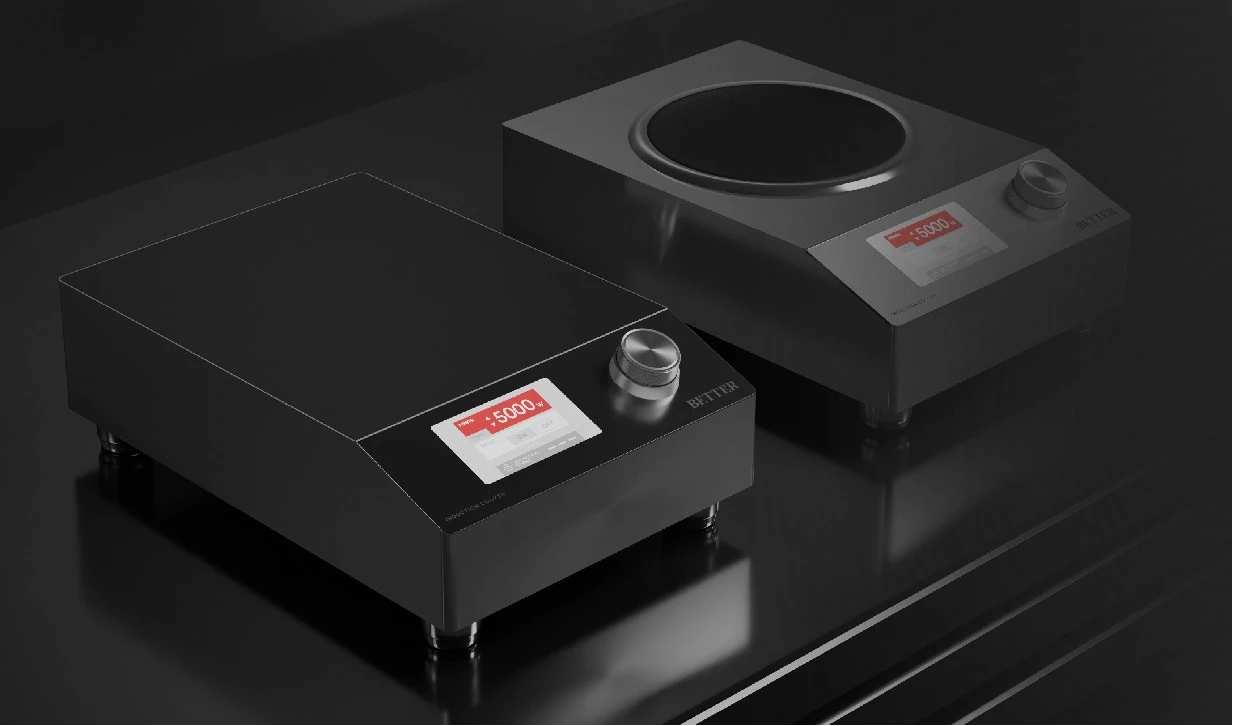
Changes to released commercial induction cooking equipment are not always visible to customers. An electronic component is replaced, a fan arrangement is revised, or software alters a protection response. Some changes affect only routine manufacturing details. Others could undermine the evidence used for the original compliance assessment.
Better Induction develops commercial and household induction appliances with customizable construction, functions, software, and controls. Those options make a clear compliance-change screening process valuable whenever a brand modifies an approved design.
Flag Commercial Induction Cooking Equipment Design Changes
The first compliance question is not whether the proposed change seems small. It is whether the new product remains within the configuration and evidence that were previously assessed.
Assemble the existing evidence baseline
Record the exact model, hardware revision, software release, relevant drawings, rated supply, key parts, and applicable conformity documents. Identify the intended markets and the assessment route originally followed.
This baseline is necessary because approval evidence covers specified variations but not every imaginable alternative. A general product family name does not establish which components or software versions were included in testing. The evaluation team retains the original scope statement alongside the new request.
Describe the proposed difference precisely
A change request should show old and new specifications side by side. It needs the purpose of the modification, affected models, proposed effective batch, and initial engineering rationale.
Statements such as equivalent replacement are insufficient without supporting analysis. A substitute part could have a similar function yet differ in rating, thermal behavior, materials, or documented approvals. Those differences determine what additional evaluation is appropriate.
Classify Changes by Their Compliance Consequences
Compliance screening becomes more reliable when teams know which changes demand formal technical review. The trigger list helps route changes to the right technical owner. It does not determine certification status by itself.
Separate Routine Updates from Safety-Relevant Changes
Potential triggers include alterations to power electronics, wiring, insulation arrangements, protective components, cooling paths, or enclosure materials. Changes to electrical supply specifications and physical installation can also affect the original evaluation.
A commercial cooking equipment supplier contributes design and manufacturing information to the engineering comparison. Better Induction’s service scope covers relevant disciplines, but the compliance owner must decide whether the proposed configuration needs consultation with the assessment organization.
Screen software and control changes
Not every text correction or interface adjustment affects protective behavior. The review distinguishes cosmetic changes from modifications to operating limits, fault handling, temperature response, control timing, and other safety-related functions.
For a software change, identify the affected modules and tests. Document why unchanged functions remain covered.
A change that alters protective temperature monitoring, fault handling, or electrical operating limits calls for documented technical reassessment before production release. A purely editorial screen-label correction normally enters the document and software revision process, with its effect checked first.
Decide What Evidence Must Be Updated
A flagged change does not always require a complete repetition of every previous test. The goal is to establish a justified scope of review with the appropriate technical authority.
Prepare a concise technical change package
The package includes revised drawings, component information, software change descriptions, comparative assessments, and relevant test findings. Highlight the exact difference from the previously approved design.
Where an independent certification or testing body controls a listing, ask that organization what evaluation is required under the applicable program. The commercial cooking equipment supplier and brand do not privately assume that a listed configuration remains covered after a material change.
Record the disposition and decision owner
Possible outcomes include no further testing with documented rationale, targeted verification, a revised report, or a broader reassessment. The correct outcome depends on the actual product, applicable rules, and evidence available.
The record identifies the person authorizing implementation and any conditions attached to approval. An informal conversation with no traceable decision is weak evidence when the product changes again later.
Prevent Premature Implementation
A compliance review provides little protection if procurement or production adopts the new design before the decision is complete. Release controls must connect technical approval with factory instructions.
Hold affected revisions until authorization
Purchasing understands which substitute parts are unapproved for production use. Manufacturing records must identify the first batch using the change. Updated inspection and software-loading instructions carry matching revision information.
The product team should also check whether manuals, rating labels, packaging, or customer-facing specifications need updates. A technical change creates a documentation mismatch even when the visible housing remains unchanged.
Preserve a usable audit trail
Keep the request, assessment, decisions, tests, external correspondence where relevant, and production cutover evidence together. Later reviewers are able to reconstruct why the new design was approved.
Better Induction has a broad commercial induction cooking equipment range, which makes model-specific review essential. A change cleared on one installation or power configuration is not automatically treated as cleared on another.
Conclusion
Compliance-impact review is triggered by changes that could affect the assessed construction, behavior, or documents. A commercial cooking equipment supplier handles ordinary version control internally, while changes affecting a third-party listing require examination of that scheme’s notification rules.
Define the approved baseline, evaluate the difference, involve the appropriate authority, and control production release. This prevents small-looking modifications from creating large gaps in the product’s evidence history.
Responses differ: document cosmetic text changes, assess protective software changes, and consult certifiers when a listing requires it.