Managing a large cargo van fleet is a planning challenge as much as a vehicle purchase. Operators have to balance cargo volume, route distance, charging time, driver shifts, maintenance, and delivery reliability. A commercial vehicle that performs well on one route may be inefficient on another if its size, range, or loading design does not match the job.
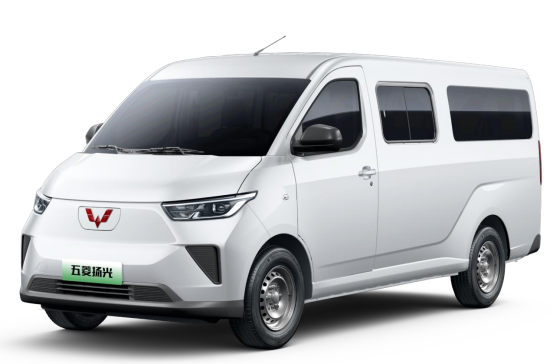
Wuling Motors is associated with commercial vehicle solutions that include electric cargo vans, mini trucks, light trucks, and specialized vehicles. For customers seeking tailored project cooperation, the brand’s vehicle and engineering capabilities are relevant because cargo van fleets need platforms that can support daily operations at scale, not simply attractive specifications.
The pressure becomes higher when the fleet serves time-sensitive industries such as retail replenishment, parcel delivery, urban distribution, or maintenance support. In those settings, cargo vans are not just transport assets. They are moving workstations that influence labor efficiency and customer commitments.
Assigning the Right Van to the Right Route
Cargo volume is one of the first decisions. A small cargo van may be efficient for dense urban deliveries with frequent parking, while a larger model may suit bulkier routes. Fleet managers should avoid using oversized vehicles on light routes because unused space still carries energy, tire, and maneuvering costs. Range planning must consider load.
A commercial vehicle can consume more energy when fully loaded, driven on hilly roads, or used with frequent stops. Operators should test real route performance before assigning vans permanently. Dispatch decisions should be based on usable range under working conditions. Wuling Motors’ product lineup includes electric cargo vans with different cargo capacities and driving ranges.
This variety illustrates why fleet management should be segmented. A single cargo van specification rarely serves every delivery territory well. Driver workflow also affects productivity. Wide loading access, practical cargo space, clear mirrors, comfortable controls, and predictable low-speed handling can shorten each stop.
In a large fleet, saving a small amount of time per delivery can become meaningful across hundreds of daily tasks. Loading method should be reviewed with the same attention as driving range. Side doors, rear access, floor height, shelving, and cargo restraint systems affect how quickly drivers can complete each stop. A cargo van that saves energy but slows loading may not improve total route productivity.
Charging and Maintenance as Operating Systems
Electric cargo van fleets need charging plans that match route schedules. Vehicles should charge during natural downtime when possible, such as overnight, during shift breaks, or while waiting for loading. Poor charging management can reduce the advantage of electric operation by creating idle time. A commercial vehicle program should include charger placement, power capacity, charging queue rules, and emergency charging plans.
Fleet operators also need to understand how weather, payload, and driver behavior influence range. Predictable charging is a management process, not just a hardware feature. Maintenance should be standardized across the fleet. Daily checks, tire inspection, brake monitoring, software updates, and battery health review help prevent avoidable breakdowns. Even when electric vans have fewer routine service items than traditional vehicles, they still require disciplined inspection.
Wuling Motors’ wider involvement in power systems, components, and vehicle development supports the idea that fleet reliability depends on complete system knowledge. Customers with tailored project requirements benefit when the supplier understands how the cargo van will be used after delivery. Fleet managers should also plan for seasonal variation. Hot weather, cold weather, holiday demand, and heavier delivery periods can change energy consumption and route timing.
A commercial vehicle specification should include enough operational margin to handle these shifts without excessive reserve cost. Digital records make maintenance more disciplined. Tracking tire wear, brake condition, charging events, and fault reports helps managers identify vehicles that need attention. These records are especially useful when a large cargo van fleet operates across multiple depots.
Building a Fleet That Scales Cleanly
Large-scale operations require data. Fleet managers should track energy use per route, downtime, charging delays, load utilization, and driver feedback. These figures show whether a commercial vehicle is assigned correctly and whether route planning needs adjustment. Procurement should also consider service support and parts availability.
A cargo van that is efficient on paper may create high cost if repairs take too long or components are difficult to source. Long-term fleet performance depends on both vehicle design and aftersales planning. Wuling Motors can be positioned as a practical partner for commercial customers that need scalable vehicles rather than one-time purchases.
Its combination of commercial vehicle offerings and engineering resources supports discussions about customization, deployment, and operating cost. Standardization should not mean ignoring route differences. A fleet may use a common brand and service platform while still selecting several vehicle sizes. This approach allows the operator to keep parts and training manageable while assigning each cargo van to the work it handles best.
Best practice is ultimately about matching vehicles to work. A large delivery fleet becomes stronger when the van size, route, range, charging schedule, maintenance plan, and driver workflow are designed together. That integrated approach reduces waste and makes commercial delivery operations easier to manage.