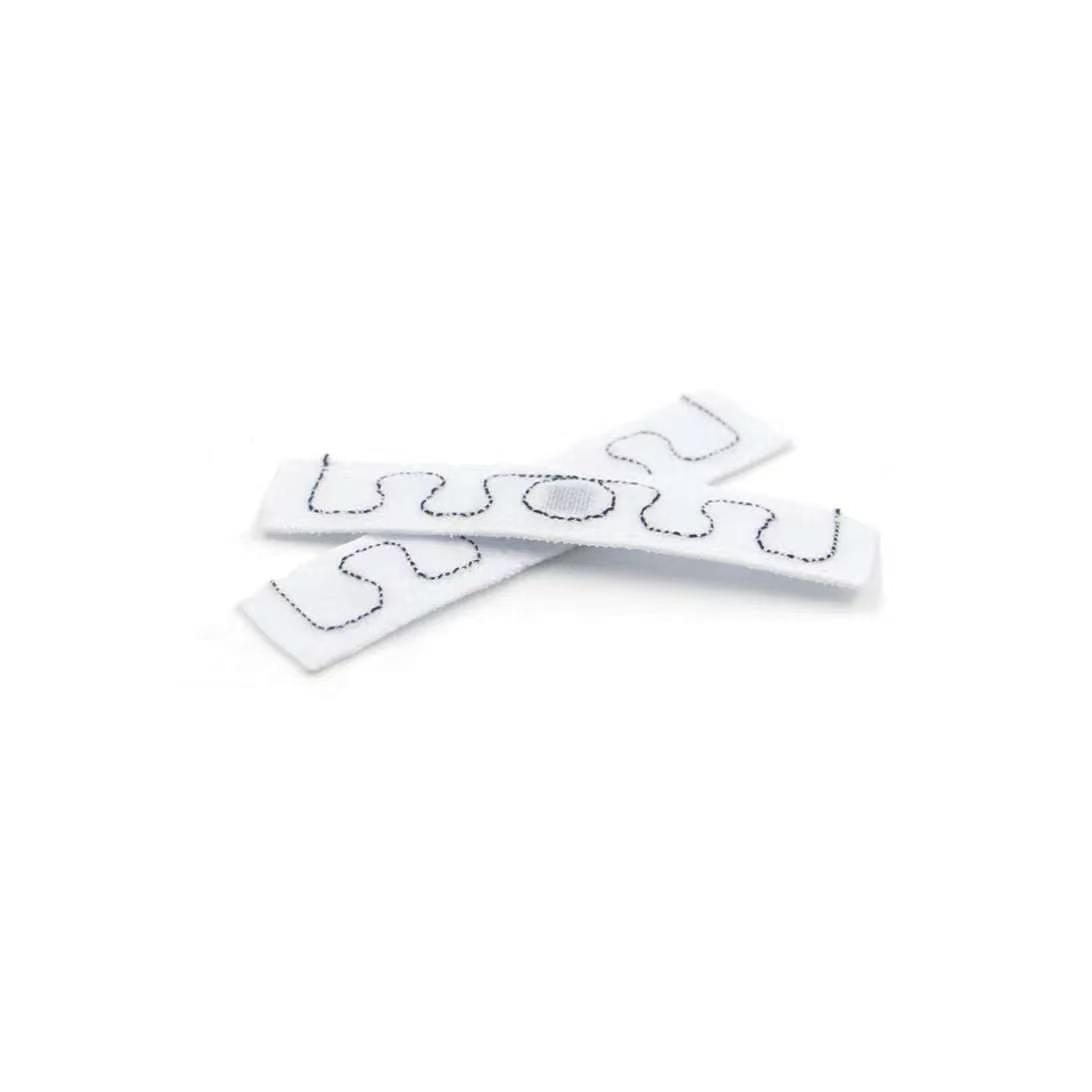
Facilities often stockpile supply chain components to prepare for future rollouts, operating under the assumption that these items possess an unlimited usable shelf life. Yet, pulling older stock from storage only to discover that the bonding agents have reduced tack or the facestocks have become brittle introduces unexpected deployment roadblocks.
Recognizing the underlying chemical and environmental factors that cause a UHF adhesive RFID label tag to degrade while sitting in a warehouse enables operations managers to lower risks of premature component failure. Sourcing from a specialized manufacturer like RSTC provides access to robust materials formulated for extended stability and more consistent performance over time.
The Financial Repercussions of Deployment Bottlenecks
When large-scale tracking initiatives encounter stalled deployments due to hardware failure, the financial impact extends well beyond the cost of the replacement labels. Operations teams face increased labor expenses as workers struggle with uncooperative materials, pausing active workflows to troubleshoot application issues or clean residue from damaged backing paper.
A rollout intended to streamline inventory visibility suddenly becomes a logistical hurdle.The cascading effect of such delays impacts downstream data collection, leaving facility managers blind to inventory movements during critical transition phases.
Acknowledging that tracker components are sensitive electronic materials rather than generic office supplies shifts facility management strategies toward proactive preservation, saving both time and procurement budgets.
The Chemistry of Adhesive Aging
The most common reason for application failure after prolonged storage relates directly to the chemical composition of the bonding agent. Industrial adhesives consist of complex polymer networks, tackifiers, and solvents designed to remain stable under highly specific ambient conditions.
Over time, these compounds undergo subtle, invisible chemical changes. Solvents slowly evaporate, and the cross-linking of polymer chains continues unabated, causing the material to shift from a pliable, tacky substance to a rigid, dried-out layer.
Rubber-based formulations, while offering excellent initial tack for rough surfaces, are particularly susceptible to oxidation when stored for extended periods. As atmospheric oxygen interacts with the rubber molecules, the adhesive loses its flexibility and grip.
Acrylic alternatives generally offer a longer shelf life and better resistance to oxidation, though they still require strict climate management to maintain their optimal bonding characteristics.
Another subtle threat involves plasticizer migration, where flexible compounds within the label material slowly seep into the adhesive layer over many months, weakening its structural integrity.
Environmental Stressors: Thermal Cycling and Humidity
Warehouses and storage depots frequently experience significant temperature fluctuations. Thermal cycling—the repeated shift between hot and cold extremes—accelerates material degradation much faster than a consistently warm environment.
Excessive heat causes adhesives to soften or “ooze” beyond the edges of the release liner. When the temperature eventually drops, this displaced adhesive hardens, fusing the rolls together or making individual units difficult to peel.
Conversely, deep cold causes the polymers to contract and stiffen, resulting in a brittle layer that fails to wet out properly upon application to a target asset.Humidity plays an equally disruptive role, primarily affecting the release liner. Standard liners constructed from densified kraft paper absorb ambient moisture in high-humidity environments, causing the paper fibers to swell and expand.
The synthetic top layer of the label, however, remains dimensionally stable. This discrepancy creates physical tension, leading to a phenomenon known as “tunneling” or “curling,” where the label prematurely lifts away from the backing. Once exposed to the air, the underlying adhesive dries out rapidly.
Inlay Oxidation and Substrate Vulnerability
While the adhesive layer tends to occur first in many failure scenarios, the internal microchip and antenna structures remain susceptible to storage degradation. The internal antennas are frequently constructed from precisely etched aluminum or copper.
When outer facestock sustains damage from environmental exposure, ambient moisture and atmospheric chemicals may seep through the layers and interact directly with the metal components.
This interaction promotes oxidation, which gradually shifts the electrical properties and capacitance of the inlay. Even low-level corrosion can reduce the antenna’s ability to couple efficiently with the reader’s RF field, potentially shortening practical read range or causing intermittent performance.
Well-engineered UHF RFID tags leverage high-grade substrates and protective encapsulation to slow this chemical process, shielding the delicate microchip and antenna connections from ambient environmental threats.
Partnering with RSTC allows facilities to source inlays that feature robust dielectric materials formulated to better resist atmospheric degradation during prolonged storage.
Implementing Strict Inventory Rotation and Auditing
Treating tracking components as static supplies remains a common logistical oversight across many industries. To maximize the viability of these tools, organizations benefit from implementing strict First-In, First-Out (FIFO) inventory management practices.
By continually rotating stock and deploying the oldest units first, supply chain managers minimize the risk of inventory sitting on shelves past its functional lifespan.
Maintaining protective packaging—often moisture-barrier bags and specialized core inserts—until the exact moment of deployment provides a crucial line of defense against ambient humidity and dust accumulation.
Dust particles settling on the edges of exposed rolls often work their way under the facestock, neutralizing the adhesive grip before the item is ever applied. Conducting periodic quality audits, where a small batch of older stock is tested for both physical adhesion and radio frequency read range before a massive deployment, helps prevent widespread application failures on the warehouse floor.
Maximizing Tracking Asset Longevity
Thoughtful lifecycle planning for RFID tracking assets starts well before tags get physically affixed to shipping pallets or equipment housings. Maintaining consistent storage-environment conditions, regulating ambient humidity levels, and practicing structured inventory rotation can help organizations lower exposure to premature adhesive-bonding failures.
Collaborating with an experienced provider like RSTC allows businesses to select specific adhesive and substrate formulations optimized for their unique warehousing realities. When facilities treat labeling stock as living assets that deserve intentional handling workflows, they lay the groundwork for more consistent data capture while helping streamline completed supply-chain performance over extended time horizons.