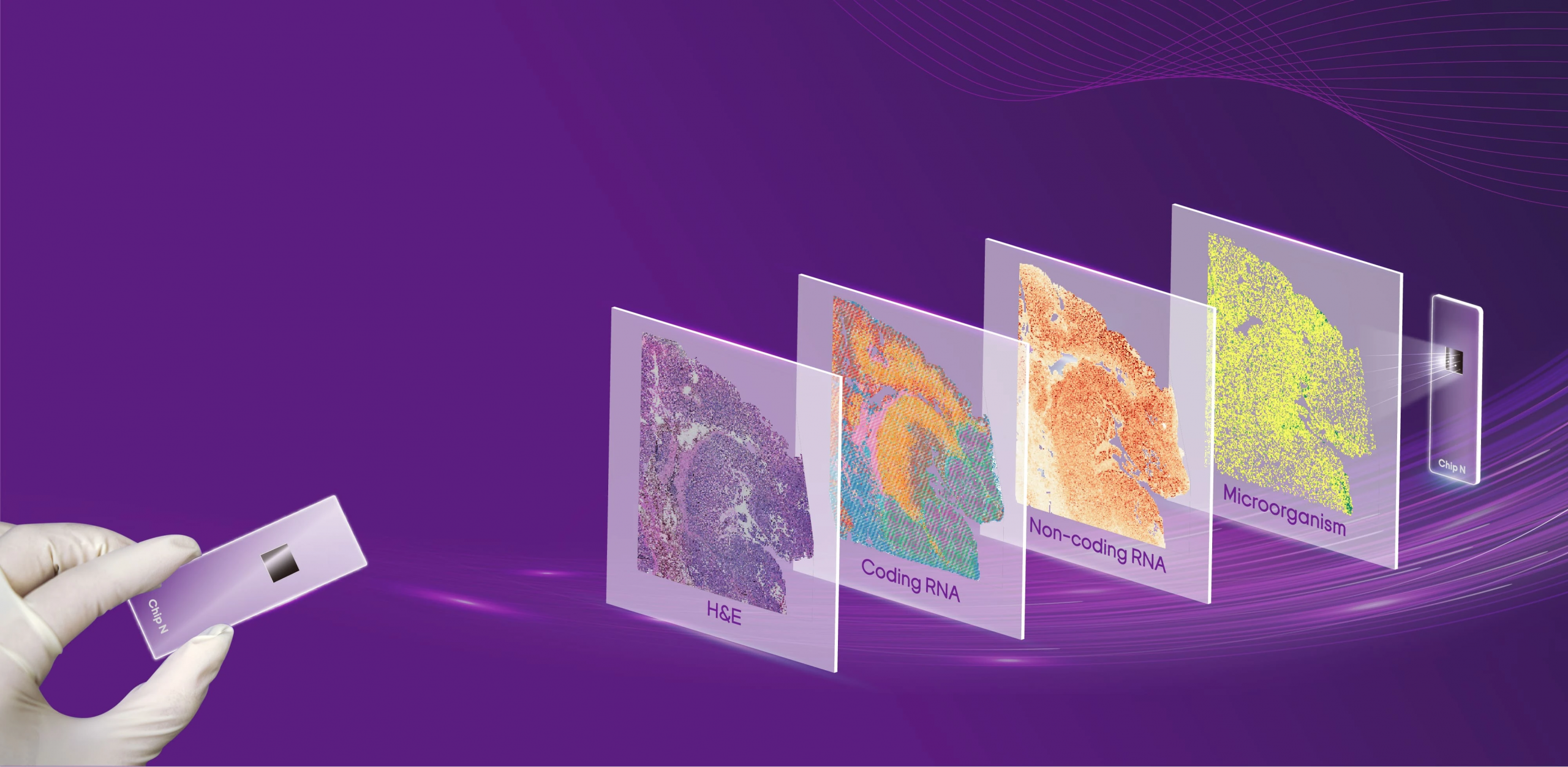
Examining the intricate functions of tissues requires more than just a list of cellular components. Spatial transcriptomics provides the necessary context by mapping genetic activity to its precise location within a sample. This approach allows researchers to see not only which genes are active but also where that activity occurs, creating a detailed map of function within architecture. Platforms like STOmics have developed specialized technologies to make this detailed spatial analysis more accessible and comprehensive for researchers.
The Foundation of Tissue Mapping
The process of spatial transcriptomics begins with a preserved tissue sample placed on a specialized surface. This surface is engineered with thousands of tagged probes that capture messenger RNA molecules as they are expressed by cells. By retaining the original two-dimensional layout of the tissue, every piece of genetic data collected maintains its positional coordinates. This foundational step is what differentiates spatial genomic analysis from older, location-agnostic sequencing methods, preserving the crucial geographical information of the tissue’s biology.
From Capture to Sequencing Data
Following capture, the tissue is processed to prepare the bound RNA for sequencing. The unique positional tags on the probes are transcribed alongside the genetic material itself. Advanced sequencing machines then read this combined information. The resulting dataset is a massive list of genetic sequences, each one linked to a specific barcode that corresponds to a single, known pixel-like spot on the original tissue section. This creates the raw data backbone for all subsequent spatial transcriptomics analysis and visualization.
Analysis and Visualization of Spatial Data
The final, critical phase involves computational analysis. Sophisticated software reconstructs the tissue map by plotting the sequenced gene expression data back onto its original coordinates. Researchers can visualize hot spots of activity for specific genes, identify distinct cellular neighborhoods based on their spatial genomic profiles, and observe how cells communicate across their microenvironment. This powerful visualization turns raw sequencing output into a biologically meaningful map, revealing the functional landscape of the tissue. Companies providing end-to-end solutions, including these bioinformatics tools, support this vital stage.
The methodology behind spatial transcriptomics integrates precise physical capture, high-throughput sequencing, and advanced data science. It transforms a simple tissue slice into a dynamic map of genetic function, offering profound insights into development, disease, and cellular interaction. For research teams requiring detailed spatial context, platforms such as STOmics offer integrated toolkits designed to support the entire workflow of this transformative analytical method.